
Staff Answer
Aug 31, 2026 - 07:27 AM
The best approach would be to follow this general salt chlorinator cell checklist to help answer the common question of "how do i know when my cell needs to be replaced". Note that for some models, any of the issues listed there can cause the system to think the salinity is lower than it actually is. This means that you may have get one or more warning lights or messages indicating that the cell needs service and/or the salt level is low.
Check for these issues in this order:
Ensure that the pool water's salinity is in range, testing it independently using titration-based chemical test, or else a recently-calibrated digital test. If confirmed low, add salt according to the instructions in the manual.
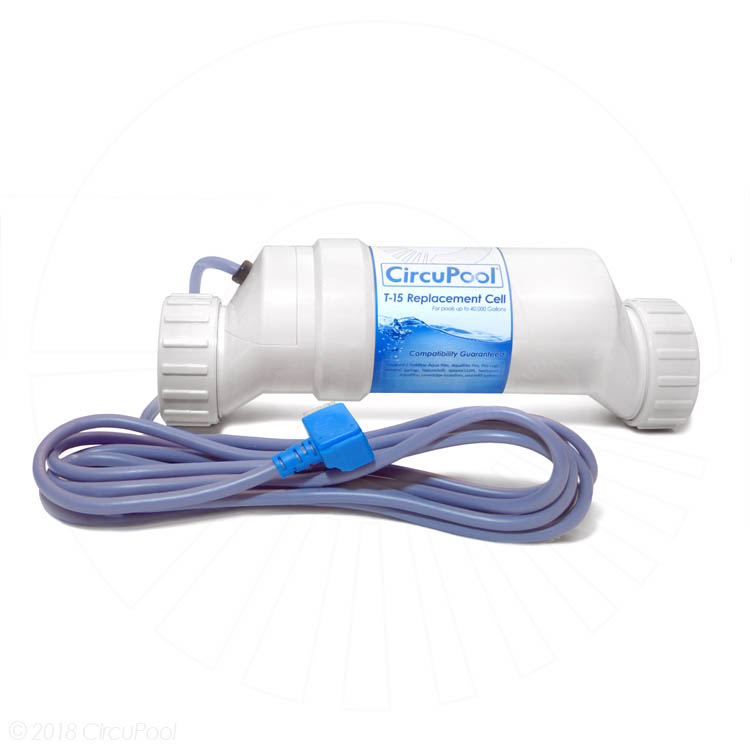
Ensure that the cell is fully cleaned (multiple times in a row if necessary, so that when fresh cleaning solution is added there is no "fizzing"). Flush cell thoroughly with a hose-end nozzle. There should be no solids present, and when looking through the cell's titanium plates you should see through it completely with no obstructions visible. Follow the instructions in the manual when cleaning the cell.
Ensure that all connections and cables are fully tight, fully seated, and free of debris or damage.
Ensure that water is completely filling the Cell throughout daily operation - especially if you are getting daily repetitive warnings (which typically come on later in the day, not within the first few minutes of operation). If needed, troubleshoot what may be causing low flow conditions or air getting introduced into the plumbing, including but not limited to: low RPM pump settings, dirty/cogged filter, an issue upstream such as low water level / bad seal / or other issue causing air to get sucked in, solar system configuration, and more.
Ensure that the controller has not inadvertently been changed to a different cell-type setting (if applicable).
Ensure that the water is within normal operating temperatures (not too cold).
Power the unit off and on to confirm that the issue triggers again; if the cell is depleted, and all other issues have been resolved, any warning will come on within the first 1-5 minutes or so of turning the unit on.
If all of those bullet points check out, and the only remaining item is that the cell has been used for a number of years, then it is possible that the cell is getting near to the point that it will need to be replaced. The cell should be used until it has generated as much chlorine as possible, and you finally get a solid LED warning light such as "low salt" and/or "cell maintenance", and all other listed factors have been confirmed to be correct.




Add New Comment